

The Complete Guide to SEO Tools: 26 Powerful Instruments to Optimize Your Website
By SEO Tools Hub Team | Published August 2025 | 8 min read
Introduction
Search engine optimization is no longer optional for anyone who runs a website. Whether you are a blogger, a small business owner, or a digital marketer, understanding how search engines interpret your content is the difference between appearing on the first page of Google or getting lost in the noise. The challenge, however, is that SEO is not a single task. It is a collection of disciplines that range from technical server configuration to content writing, from link analysis to performance monitoring.
That is exactly why we built SEO Tools Hub. Our platform brings together 26 free, powerful SEO tools under one roof, so you never have to jump between a dozen different services just to audit a single webpage. Every tool runs entirely in your browser or on our servers. No API keys, no sign-up walls, no hidden fees. In this article, we walk you through every tool, explain what it does, and show you how to use it to improve your search rankings step by step.
Why SEO Tools Matter More Than Ever
Google processes over 8.5 billion searches every single day. Behind each of those searches is a person looking for an answer, a product, or a service. If your website does not appear in the top results for queries related to your niche, you are effectively invisible to a massive portion of your potential audience. Studies consistently show that the first organic result on Google captures roughly 32 percent of all click-through traffic, and the numbers drop sharply after that.
But ranking is not just about stuffing keywords into your content anymore. Modern search algorithms evaluate over 200 ranking factors, including page speed, mobile responsiveness, backlink quality, structured data, content depth, and user experience signals. Manually checking all of these factors for every page on your site would take hours, if not days. That is where specialized SEO tools step in. They automate the analysis, surface the problems you might have missed, and give you actionable recommendations you can implement immediately.
Our collection at SEO Tools Hub is organized into six clear categories: Analysis, Links, Performance, Domain, Generators, and Content. Let us explore each category in detail.
Analysis Tools: Understand What Search Engines See
The first step in any SEO strategy is understanding your current position. You cannot improve what you cannot measure. Our analysis tools give you a detailed look at how search engines interpret your pages, from meta tags to keyword distribution to overall SEO health.
Meta Tag Analyzer is the tool you reach for when you want to see exactly what metadata a webpage is presenting to search engines. It pulls the title tag, meta description, Open Graph tags, Twitter Card tags, canonical URL, and any other meta elements from any URL you enter. If you have ever wondered why your page looks wrong in Google search results, this tool will tell you why. It highlights missing tags, overly long titles that get truncated, and duplicate descriptions that confuse search engines.
Website SEO Audit goes deeper. It scans an entire webpage and produces a comprehensive SEO score based on multiple factors: heading structure (H1 through H6), image alt text, internal and external links, content length, keyword presence, and mobile-friendliness indicators. Think of it as a health checkup for your page. The audit gives you a percentage score and a checklist of issues to fix, ranked by priority. If you only have time to use one tool, this is the one.
Keyword Density Checker analyzes the frequency and distribution of keywords within your content. Enter a URL or paste your text, and the tool calculates how often each word and phrase appears, expressed as a percentage. Proper keyword density is a balancing act. Too low, and search engines may not understand your topic. Too high, and you risk being flagged for keyword stuffing. The generally accepted sweet spot for a primary keyword is between one and three percent, and this tool helps you hit that target precisely.
Link Tools: Build and Monitor Your Link Profile
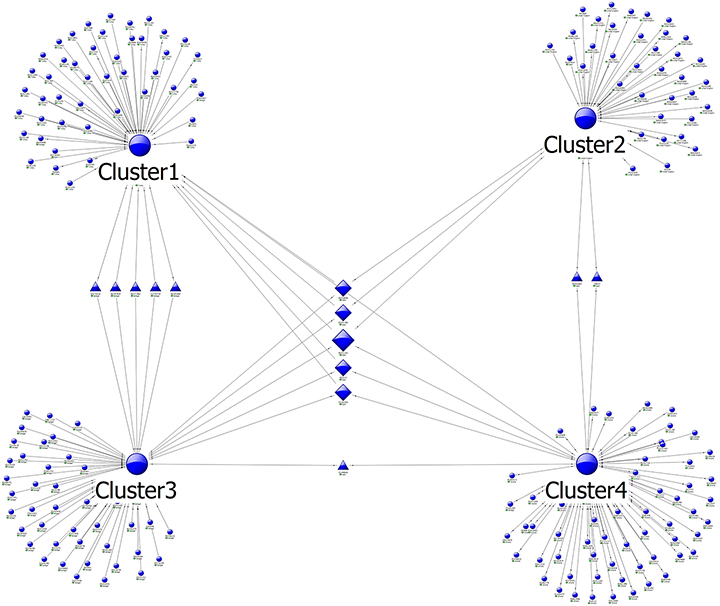
Links remain one of the most influential ranking factors in Google’s algorithm. A strong backlink profile signals to search engines that other websites trust your content enough to reference it. Conversely, broken links and poor redirect chains can hurt your rankings and frustrate your visitors. Our link tools help you monitor, analyze, and optimize every aspect of your link strategy.
Backlink Checker allows you to see which domains are linking to a specific URL. Understanding your backlink profile helps you identify your strongest pages, discover linking opportunities you did not know about, and spot potentially harmful links that could trigger a Google penalty. Enter any URL, and the tool returns a list of referring domains along with anchor text and link attributes.
Link Extractor pulls every internal and external link from a webpage and presents them in an organized table. This is invaluable for auditing your site navigation, checking that important pages are properly interlinked, and ensuring that no outbound links are pointing to low-quality or irrelevant sites. You can filter the results by link type, making it easy to focus on what matters.
Broken Link Checker scans your website for links that return 404 errors or other HTTP error codes. Broken links damage your SEO in two ways. First, they waste crawl budget when Googlebot follows dead-end links. Second, they create a poor user experience, which search engines interpret as a negative quality signal. This tool crawls your page, tests every link, and reports which ones are broken so you can fix or remove them quickly.
Performance and Technical SEO: Speed and Reliability
Technical SEO is the foundation upon which all other optimization efforts rest. If your server is slow, your SSL certificate is expired, or your domain DNS is misconfigured, no amount of great content or link building will save your rankings. Google has made it clear that page experience signals, particularly Core Web Vitals, directly influence search results.
Page Speed Checker measures how quickly a webpage loads and provides detailed performance metrics. It checks server response time, page size, the number of requests, and estimated load times on both desktop and mobile connections. Google uses page speed as a ranking factor, and research shows that 53 percent of mobile users abandon sites that take longer than three seconds to load. This tool tells you exactly where you stand and what you need to optimize.
Website Down Checker lets you instantly verify whether any website is online and accessible. It returns the HTTP status code, response time, and a clear up or down indicator. If your site goes down and you do not notice, search engine crawlers may record errors that persist in Google’s index for days, even after your site comes back online. Regular monitoring with this tool helps you catch outages before they impact your SEO.
SSL Checker verifies the SSL certificate status for any domain. It checks whether the certificate is valid, expired, or misconfigured, and it reports the certificate authority, expiration date, and protocol version. Since Google prioritizes HTTPS websites in search results, running your domain through this tool should be one of the first things you do.
Redirect Checker traces the full redirect chain for any URL. Enter a shortened link or an old URL, and the tool shows you every hop it takes before reaching the final destination, along with the HTTP status code at each step. Long redirect chains (more than two hops) dilute link equity and slow down crawling. This tool helps you clean up your redirect architecture.
Domain and DNS Tools: Know Your Domain Inside Out
Your domain is your digital real estate, and understanding its technical details gives you an edge. Whether you are researching a competitor, troubleshooting a DNS issue, or checking the age and authority of a domain, these tools provide the data you need quickly.
Domain Authority Checker estimates the authority score of any domain on a scale from one to one hundred. Domain authority is a metric developed by SEO companies to predict how well a website will rank in search engines. It is calculated based on factors like the number and quality of backlinks, the age of the domain, and the overall trustworthiness of the site. A higher score means greater ranking potential.
DNS Lookup retrieves all DNS records for any domain. You can query A records, MX records, NS records, TXT records, CNAME records, and SOA records. This tool is essential when you are setting up email verification, configuring domain redirects, or troubleshooting why a website is not resolving correctly. DNS issues can silently kill your search traffic if they cause intermittent downtime or slow resolution times.
Whois Lookup reveals the registration details for any domain name, including the registrant’s name and organization, registration and expiration dates, nameservers, and the registrar. This information is useful for competitive research, evaluating the credibility of potential link partners, or checking when your own domain is due for renewal.
IP Address Lookup provides geolocation and technical information about any IP address. Enter an IP and get details about the hosting provider, approximate physical location, timezone, and whether the IP is associated with a known proxy or VPN. This tool is handy for analyzing your server logs, identifying the geographic distribution of your traffic, or investigating suspicious activity on your site.
Generators: Create SEO-Ready Assets in Seconds
Some SEO tasks are not about analyzing what already exists but about creating the right assets from scratch. Our generator tools help you produce properly formatted files that search engines can understand and index correctly.
Robots.txt Generator creates a robots.txt file that tells search engine crawlers which pages and directories they should or should not access. A well-configured robots.txt file improves crawl efficiency by preventing bots from wasting resources on low-value pages like admin panels, search results, or duplicate content. The generator provides a simple interface where you select the rules you want, and it outputs the correct syntax.
Sitemap XML Generator produces a standards-compliant XML sitemap that lists all the URLs you want search engines to index. Submitting a sitemap through Google Search Console helps ensure that Google discovers every important page on your site, especially pages that might not be linked from anywhere else. The generator lets you add URLs individually or in bulk, set priorities, and specify update frequencies.
Meta Tag Generator creates properly formatted HTML meta tags for your web pages. Enter your page title, description, keywords, author, and other optional information, and the tool generates the complete meta tag code you can copy and paste into your HTML head section. It also generates Open Graph and Twitter Card meta tags so your pages look great when shared on social media platforms.
Google SERP Preview shows you exactly how your page will appear in Google search results before you publish it. Enter your title, URL, and meta description, and the tool renders a realistic preview of the search snippet. This helps you optimize your title and description length to avoid truncation and maximize click-through rates from search results pages.
Content and Minification Tools: Polish Your Pages
The final piece of the SEO puzzle is content quality and code efficiency. Our content tools help you write better copy, format it correctly, and reduce file sizes for faster page loads.
Word Counter does more than just count words. It provides a full content analysis including character count (with and without spaces), sentence count, paragraph count, average word length, and estimated reading time. These metrics help you ensure your content meets the length expectations of search engines for your target topic and that it is substantive enough to rank competitively.
Plagiarism Checker scans your text against online sources to identify duplicate content. Duplicate content is a serious SEO issue because Google may filter out pages that contain substantially similar text, meaning your page might not appear in search results at all even if you are the original author. This tool helps you verify the uniqueness of your content before you hit publish.
HTML, CSS, and JS Minifiers reduce the file size of your code by removing unnecessary whitespace, comments, and formatting without changing functionality. Smaller files mean faster page loads, and faster page loads mean better search rankings. The minifiers support copy-paste input and produce optimized output you can deploy directly.
Open Graph Checker validates the Open Graph meta tags on any webpage. OG tags control how your content appears when shared on Facebook, LinkedIn, Twitter, and other social platforms. Proper OG tags increase the visual appeal and click-through rate of social shares, which in turn can drive more traffic and signals to your site.
Heading Tag Analyzer examines the H1 through H6 heading structure of any webpage. Proper heading hierarchy helps search engines understand the organization and relative importance of your content. Common issues include multiple H1 tags, skipped heading levels, and headings that do not accurately describe the content below them. This tool surfaces all of these problems in a clear, visual report.
Bringing It All Together
Effective SEO is not about using one tool once. It is about building a regular workflow where you audit your content, monitor your backlinks, check your performance, and refine your strategy based on data. The 26 tools available on SEO Tools Hub are designed to support every stage of that workflow, from the initial site audit to ongoing monitoring and optimization.
Start with the Website SEO Audit to get a high-level view of your site’s health. Use the Meta Tag Analyzer and Heading Tag Analyzer to fine-tune individual pages. Check your backlink profile with the Backlink Checker and fix broken links with the Broken Link Checker. Monitor your page speed regularly and ensure your SSL certificate is valid. When you create new content, use the SERP Preview, Meta Tag Generator, and Keyword Density Checker to optimize before publishing.
All of these tools are completely free to use, with no registration required. Visit tools.seotoolshub.xyz to start optimizing your website today. Your search rankings will thank you.
About SEO Tools Hub
SEO Tools Hub offers 26 free online SEO tools for website owners, digital marketers, and content creators. No sign-up required. Visit tools.seotoolshub.xyz And seotoolshub.xyz to explore the full toolkit.
