

What Is Email Marketing Automation?
Email marketing automation best practices 2026 center on one core idea: delivering the right message to the right person at the right time—automatically. Email marketing automation is the use of software to send targeted, behavior-triggered emails to subscribers without manual intervention. Done correctly, it builds relationships at scale, drives conversions, and reduces the time your team spends on repetitive tasks.
Unlike traditional broadcast emails sent to an entire list, automated emails respond to subscriber actions—such as signing up, making a purchase, or abandoning a cart. This relevance is what makes automation so powerful in 2026’s crowded inbox environment.
Why Email Marketing Automation Matters in 2026
Inbox competition has never been fiercer. According to Statista (2025), more than 376 billion emails are sent globally every day, and that number continues to climb. Without automation, marketers struggle to keep up with personalization demands at scale.
Businesses that fail to automate miss critical touchpoints in the customer journey—welcome sequences, re-engagement campaigns, and post-purchase follow-ups that drive repeat revenue. Research from HubSpot (2025) suggests that automated email sequences generate significantly higher open rates than standard broadcast campaigns, largely because they arrive when subscribers are most engaged.
The consequences of ignoring automation extend beyond missed revenue. Manual email campaigns are error-prone, inconsistent, and unsustainable as your list grows. Automation creates a repeatable, scalable system that works around the clock.
3 Real-World Applications of Email Automation
1. Welcome Sequences for New Subscribers
When someone joins your list, a well-crafted welcome sequence sets expectations and builds immediate trust. A typical high-performing welcome series sends three to five emails over seven to ten days, introducing your brand, your best content, and a soft offer. Industry data indicates that welcome emails generate open rates four times higher than standard newsletters.
2. Abandoned Cart Recovery
E-commerce brands use automation to recover lost revenue from shoppers who add items to their cart but do not complete the purchase. A triggered sequence—often two to three emails sent within 24 to 72 hours—reminds the customer, addresses potential objections, and may offer an incentive. Studies suggest abandoned cart emails recover a meaningful portion of otherwise-lost sales.
3. Re-Engagement Campaigns
Subscribers who have not opened an email in 90 to 180 days represent a list health risk. Automated re-engagement campaigns identify these inactive contacts and send a targeted sequence designed to reignite interest. Those who do not re-engage can be cleanly removed from your active list, improving deliverability scores for everyone else.
Email Marketing Automation Best Practices 2026: 6 Essential Strategies
Applying the right email marketing automation best practices 2026 separates high-performing programs from those that waste budget and annoy subscribers. Here are the six strategies that matter most this year.
1. Segment Your List Before You Automate
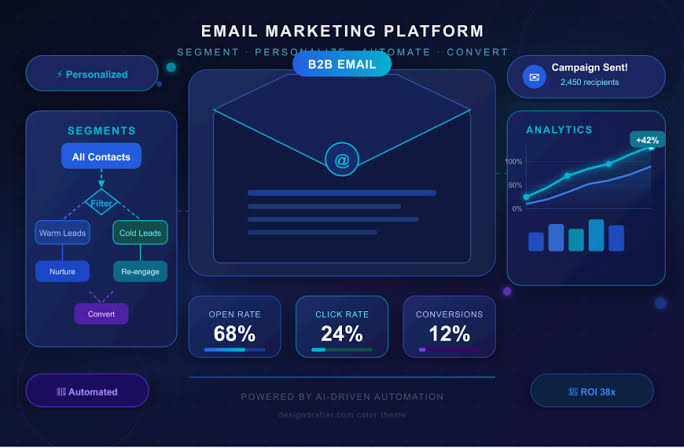
Segmentation is the foundation of effective automation. Divide your list by demographics, purchase history, engagement level, and behavior. Sending the same automated sequence to every subscriber regardless of their relationship with your brand is one of the most common—and costly—mistakes marketers make.
- Segment by acquisition source (organic, paid, referral)
- Segment by engagement tier (active, at-risk, dormant)
- Segment by product interest or past purchase category
2. Use Behavioral Triggers, Not Just Time-Based Sends
The most effective automation sequences fire based on what a subscriber does—or does not do—rather than a fixed calendar schedule. Behavioral triggers include opening an email, clicking a specific link, visiting a pricing page, or completing a form. These actions signal intent and allow you to respond with hyper-relevant content.
3. Personalize Beyond the First Name
In 2026, inserting a subscriber’s first name in the subject line is the bare minimum. Advanced personalization includes dynamic content blocks that change based on segment membership, product recommendations based on browse or purchase history, and send-time optimization that delivers emails when each individual is most likely to open them.
4. Optimize Every Automated Sequence with A/B Testing
Automation does not mean set-it-and-forget-it. Regularly test subject lines, email copy, calls to action, send timing, and sequence length. Even small improvements in open rate or click-through rate compound significantly over thousands of automated sends. Build a testing cadence—at minimum quarterly—into your automation workflow.
5. Monitor Deliverability and List Hygiene
Your automated emails cannot convert subscribers who never receive them. Maintain a clean list by removing hard bounces immediately, suppressing chronic non-openers, and monitoring your sender reputation. Tools that track bounce rates, spam complaint rates, and inbox placement are essential components of any serious email program in 2026.
6. Align Automation with the Full Customer Journey
Map your automated sequences to each stage of the customer lifecycle: awareness, consideration, purchase, retention, and advocacy. Many marketers build strong acquisition automations but neglect post-purchase sequences that drive loyalty and referrals. A complete automation strategy covers the entire journey, not just the top of the funnel.
How Seo Tools Hub Supports Your Email Marketing Goals
Putting these email marketing automation best practices 2026 into action requires the right resources. Seo Tools Hub offers a suite of free email marketing tools designed to help marketers at every skill level build smarter campaigns, analyze performance, and refine their automation strategies—without the enterprise price tag.
Whether you are just getting started with list segmentation or optimizing a complex multi-step sequence, the free tools available at Seo Tools Hub provide actionable insights that support better decision-making. Explore the platform to see which resources align with your current automation goals.
Frequently Asked Questions
What is email marketing automation?
Email marketing automation is software-driven sending of targeted emails triggered by subscriber behavior or predefined schedules. It allows marketers to deliver personalized, timely messages at scale without manual effort, improving engagement and conversion rates across the customer lifecycle.
Setting Up Your Email Workflow Automation
Once you’ve mapped out your automation strategy, the practical implementation becomes crucial. UniOne Email API provides a detailed walkthrough of how to set up email workflow automation and compares the best tools available for handling these processes at scale in 2025 and beyond.
How often should automated emails be sent?
Frequency depends on the sequence type and subscriber expectations. Welcome sequences typically run over seven to ten days. Re-engagement campaigns may send two to three emails over two weeks. The key is relevance—send as often as you have genuine value to deliver, and no more.
What triggers work best for email automation in 2026?
Behavioral triggers outperform time-based sends. Top performers include form completions, link clicks, page visits, purchase events, and inactivity thresholds. These signals indicate subscriber intent and allow your automation to respond with highly contextual, relevant content that drives action.
How do I improve email deliverability for automated campaigns?
Maintain a clean, permission-based list by removing hard bounces promptly and suppressing inactive contacts. Authenticate your domain with SPF, DKIM, and DMARC records. Monitor your sender reputation regularly, and avoid spam-trigger phrases in subject lines and body copy.
Is A/B testing necessary for automated sequences?
Yes. Even well-designed sequences degrade over time as audience behavior and inbox algorithms evolve. Regular A/B testing of subject lines, content, and timing ensures your automation continues to perform at its peak. Build testing into your quarterly review schedule as a non-negotiable practice.
What free tools can help with email marketing automation?
A range of free tools supports tasks like list segmentation analysis, subject line testing, and campaign performance tracking. Seo Tools Hub provides free email marketing tools that help marketers plan, analyze, and optimize their automation strategies without upfront investment.
Key Takeaways
- Email marketing automation delivers behavior-triggered, personalized messages at scale—making it essential for competitive marketers in 2026.
- Segment your list first; automation applied to an unsegmented list produces mediocre results regardless of sequence quality.
- Behavioral triggers—such as clicks, purchases, and page visits—outperform time-based sends by responding to actual subscriber intent.
- Personalization in 2026 goes far beyond first names; use dynamic content, purchase history, and send-time optimization.
- Test every automated sequence regularly; a quarterly A/B testing cadence prevents performance decay over time.
- Cover the full customer lifecycle—from welcome sequences to post-purchase retention—to maximize the value of your automation investment.
Conclusion
Mastering email marketing automation best practices 2026 is not optional for marketers who want to remain competitive. The combination of intelligent segmentation, behavioral triggers, advanced personalization, and consistent testing creates an email program that grows revenue while reducing manual workload. Start with the fundamentals, build your sequences methodically, and refine them continuously.
Ready to put these strategies into practice? Explore the free email marketing tools available at Seo Tools Hub and take the next step toward a smarter, more automated email program.
